Introduction
In the world of alternative recovery practices, Reiki has actually gained considerable appeal for its capability to promote physical, psychological, and spiritual wellness. At the heart of Reiki lies the concept of energy recovery, where specialists funnel universal life force energy to bring back balance and harmony within the body. While Reiki is frequently related to hand positions, symbols, and attunements, one key part that is often ignored is the role of meditation in improving the practice. In this post, we will check out how meditation can cultivate http://franciscodjvb181.trexgame.net/deciphering-the-spiritual-symbols-of-reiki-uncovering-their-hidden-significances-1 inner stillness and clearness in the context of Reiki http://raymondxtpo085.lowescouponn.com/the-role-of-meditation-in-reiki-practice-cultivating-inner-stillness-and-clearness-1 practice.
The Role of Meditation in Reiki Practice: Cultivating Inner Stillness and Clarity
Meditation serves as a powerful tool for Reiki professionals to deepen their connection with the universal life force energy and cultivate inner stillness and clarity. By quieting the mind and launching accessories to thoughts and emotions, meditation permits professionals to go into a state of deep relaxation and receptivity. This state of inner stillness offers an optimum environment for energy healing work to take place.
Benefits of Meditation in Reiki Practice
Enhanced Energy Awareness:- Through routine meditation practice, Reiki practitioners develop a heightened level of sensitivity to energy flow within their own bodies and in their surroundings. This increased awareness allows them to better view blockages or imbalances in the energy field, permitting more targeted healing.
- Meditation cultivates instinct by silencing the analytical mind and producing space for instinctive insights to arise. As instinct plays a vital role in assisting Reiki specialists throughout sessions, meditation boosts their ability to trust and act upon these instinctive messages.
- By going into a meditative state, specialists can establish a much deeper connection with the universal life force energy, permitting it to stream more freely through them during Reiki sessions. This heightened connection assists in a more potent and effective recovery experience for both the specialist and the recipient.
Incorporating Meditation into Reiki Practice
Setting Objectives:- Before beginning a Reiki session, practitioners can begin with a brief meditation to set clear objectives for the healing process. By picturing the preferred result and connecting with the universal life force energy, specialists align themselves with the highest healing potential.
- Meditation can be utilized as a grounding and focusing practice before initiating any Reiki work. By concentrating on deep, intentional breaths and picturing roots extending from the feet into the earth, specialists establish a strong foundation for their energetic work.
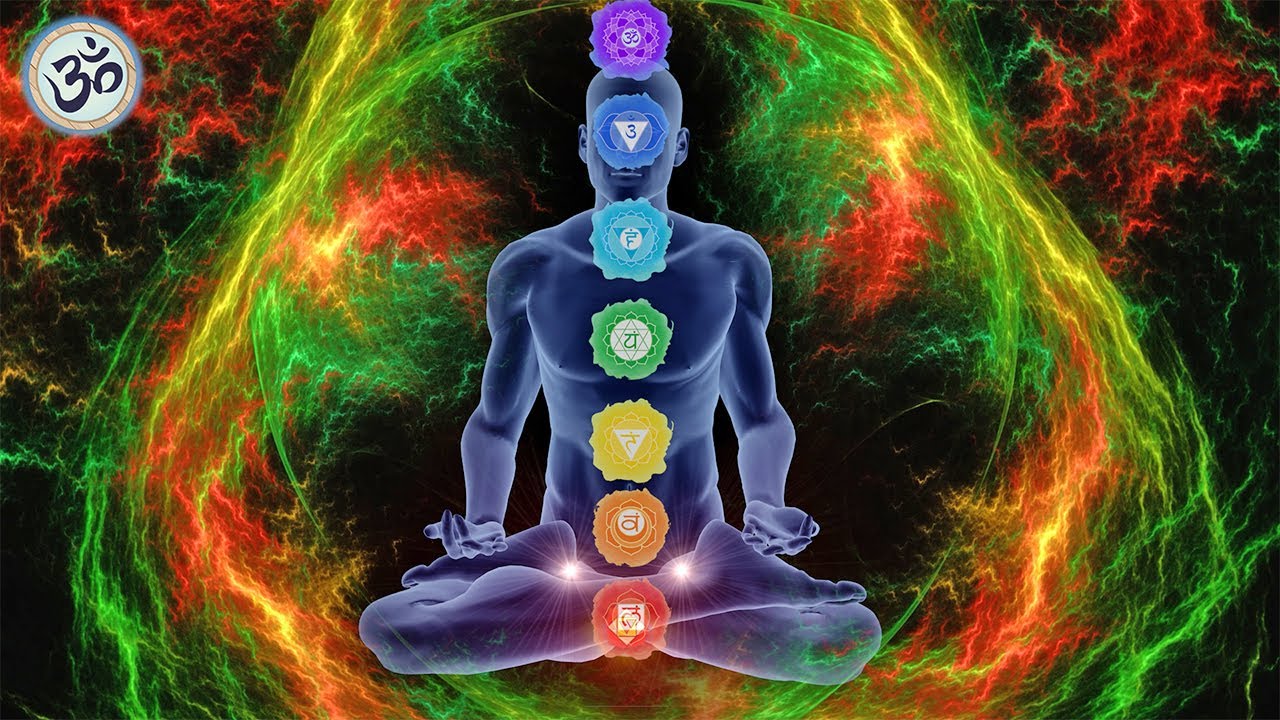
- Chakras are energy centers within the body that play an important role in Reiki practice. Practitioners can enhance their understanding and balance of these chakras through particular chakra-focused meditations.
- Reiki practitioners typically integrate self-healing meditations into their day-to-day regimens to preserve their own energetic wellness. These meditations may involve visualizations, affirmations, or just being in stillness while funneling Reiki energy to oneself.
Frequently Asked Questions (FAQs)
What is the significance of hand positions in Reiki practice?
Hand positions in Reiki function as a guide for specialists to direct energy circulation throughout sessions. Each hand position corresponds to a particular area of the body or energy center, enabling extensive healing coverage.
Are there particular symbols utilized in Reiki practice?

Yes, there are a number of symbols utilized in Reiki practice that hold different significances and purposes. These signs are taught at higher levels of Reiki training and are made use of to improve recovery energy and intention.
What is the history of Reiki?
Reiki originated in Japan in the early 20th century and was developed by Mikao Usui. It is based on the concept of carrying universal life force energy for recovery purposes.
How does Reiki energy work?
Reiki energy works by assisting in the balancing and harmonizing of the recipient's energy field. The professional functions as an avenue for universal life force energy, allowing it to stream to areas in need of healing.

What is taught in Reiki Level 1 training?
In Reiki Level 1 training, professionals discover the fundamental concepts and hand positions of Reiki, in addition to methods for self-healing and dealing with others. It is the foundation level of Reiki practice.
What is taught in Reiki Level 2 training?
In Reiki Level 2 training, practitioners receive further attunements and learn more about spiritual signs utilized to boost the flow of Reiki energy. They likewise get understanding on far-off recovery techniques.
Conclusion
Meditation works as an indispensable tool for Reiki professionals seeking to deepen their practice and boost their capability to assist in recovery. By cultivating inner stillness and clarity through meditation, specialists can access an increased state of awareness and connection with universal life force energy. Including meditation into Reiki practice enables a more profound recovery experience, benefiting both the practitioner and recipient alike. So, whether you are new to Reiki or a skilled practitioner, think about incorporating meditation into your practice and find the transformative power it can bring.